
Ruben Amorim Addresses Kobbie Mainoo’s Brother’s T-Shirt Protest at Old Trafford
The football world witnessed an unexpected event at Old Trafford recently, as Kobbie Mainoo’s brother staged a T-shirt protest. The incident has garnered significant attention, prompting a response from Sporting Lisbon’s manager, Ruben Amorim.
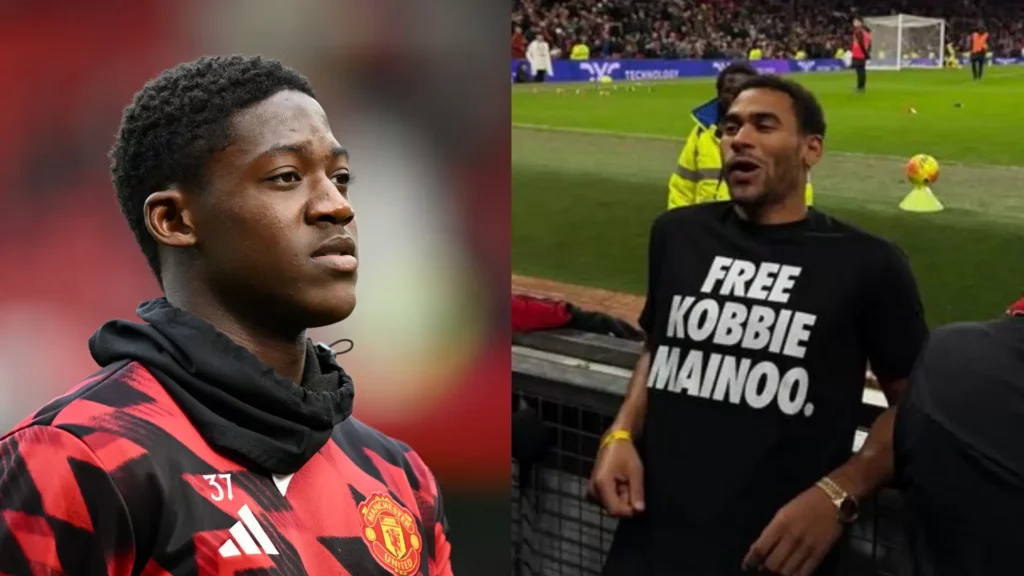
The Incident: Mainoo’s Brother’s Protest
Details surrounding the specifics of the T-shirt protest remain limited based on the available information. However, the core fact is that Kobbie Mainoo’s brother engaged in a visible demonstration at Old Trafford, utilizing a T-shirt to convey a message. The nature of the message itself is not explicitly stated in the title, but the act undoubtedly aimed to draw attention to a particular issue or sentiment.
The choice of Old Trafford as the location for this protest is significant. As the home ground of Manchester United, it represents a highly visible platform, ensuring maximum exposure for the message displayed on the T-shirt. This strategic decision suggests a calculated effort to leverage the stadium’s iconic status and the attention it commands.
Ruben Amorim’s Response: A Measured Reaction
Ruben Amorim, the highly regarded manager of Sporting Lisbon, has addressed the situation. While the exact content of his response is not detailed in the title, the fact that he has acknowledged the incident indicates its potential relevance to his professional sphere. Amorim’s involvement suggests a possible connection between the protest and either Kobbie Mainoo himself, Manchester United (given Amorim’s previous links), or perhaps a broader commentary on football-related matters.
It is reasonable to assume that Amorim’s response would be carefully considered, given the sensitive nature of the situation. Public statements from managers often carry significant weight, and any misstep could be easily amplified by the media and online platforms. Therefore, a measured and diplomatic approach would be expected.
Potential Implications and Interpretations
The T-shirt protest raises several questions and invites various interpretations. Without further information about the message displayed on the T-shirt, it is challenging to definitively ascertain the motivation behind the protest. However, potential explanations could include:
- Support for Kobbie Mainoo: The protest may have been intended as a show of support for Kobbie Mainoo, perhaps related to his playing time, contract negotiations, or other professional matters.
- Expression of Frustration: The T-shirt could have conveyed frustration with Manchester United, potentially concerning team performance, managerial decisions, or the club’s overall direction.
- Advocacy for a Cause: The protest might have been used as a platform to raise awareness about a broader social or political issue, unrelated to football but utilizing the high-profile event to gain attention.
- Reaction to Transfer Rumours: Given Amorim’s previous links to Manchester United, the protest could be linked to transfer speculation or perceived interest in Mainoo from Sporting Lisbon.
The timing of the protest is also noteworthy. Its occurrence during a period of intense scrutiny on Manchester United and their players suggests a deliberate attempt to capitalize on the existing media attention. This strategic timing further underscores the calculated nature of the demonstration.
The Broader Context: Football and Protest
The incident involving Kobbie Mainoo’s brother highlights the intersection of football and protest. In recent years, athletes and their families have increasingly used their platforms to express their views on a range of social, political, and sporting issues. This trend reflects a growing awareness of the power of sport as a vehicle for social change and the influence that athletes and their families wield.
T-shirt protests, in particular, have become a common form of expression in football. They offer a relatively simple and cost-effective way to convey a message to a large audience, bypassing traditional media channels and allowing individuals to directly communicate their thoughts and feelings.
The Significance of Amorim’s Position
Ruben Amorim’s position as the manager of Sporting Lisbon adds another layer of complexity to the situation. His response is likely to be interpreted through the lens of his professional responsibilities and his potential interest in Kobbie Mainoo as a player. Whether his comments are perceived as supportive, critical, or neutral will depend on the specific content of his statement.
Furthermore, Amorim’s past association with Manchester United, through reported managerial links, adds intrigue to his involvement. Any perceived bias or hidden agenda in his response could be subject to intense scrutiny from fans and the media.
Conclusion: A Waiting Game
In conclusion, the T-shirt protest by Kobbie Mainoo’s brother at Old Trafford has sparked considerable interest and prompted a response from Ruben Amorim. While the specific details of the protest and Amorim’s reaction remain unclear based solely on the title, the incident underscores the growing intersection of football, protest, and social commentary. The full ramifications of this event will likely unfold as more information becomes available and the various stakeholders involved offer further clarification. The football world awaits further details to fully understand the motivations and implications of this unexpected demonstration.
The incident serves as a reminder of the power of individuals to leverage high-profile events to express their views and the responsibility of public figures to respond thoughtfully and diplomatically to such situations. As the story develops, it will be crucial to analyze the various perspectives involved and to consider the broader context of football’s evolving role in society.